Your website might look perfect to a visitor. Clean design, fast load time, clear navigation. But underneath the surface, Google might be seeing something completely different — pages it cannot crawl, duplicate content confusing its index, broken links bleeding authority, or keyword targeting so broad it ranks for nothing specific.
An SEO analysis brings all of that into the open. It is not a one-time event or a vanity report. It is the diagnostic process that tells you exactly where your site stands, what is holding it back, and what to fix first. Without it, every other SEO activity — content creation, link building, technical fixes — is guesswork aimed at a moving target.
This guide covers everything: what an SEO analysis actually includes, how a website audit works, which tools do the job best, how to interpret your findings, and how to turn a report full of red flags into a clear, prioritised action plan that moves rankings.
📋 What You Will Learn in This Guide
- What Is SEO Analysis and Why It Matters
- SEO Analysis vs Website Audit: What Is the Difference
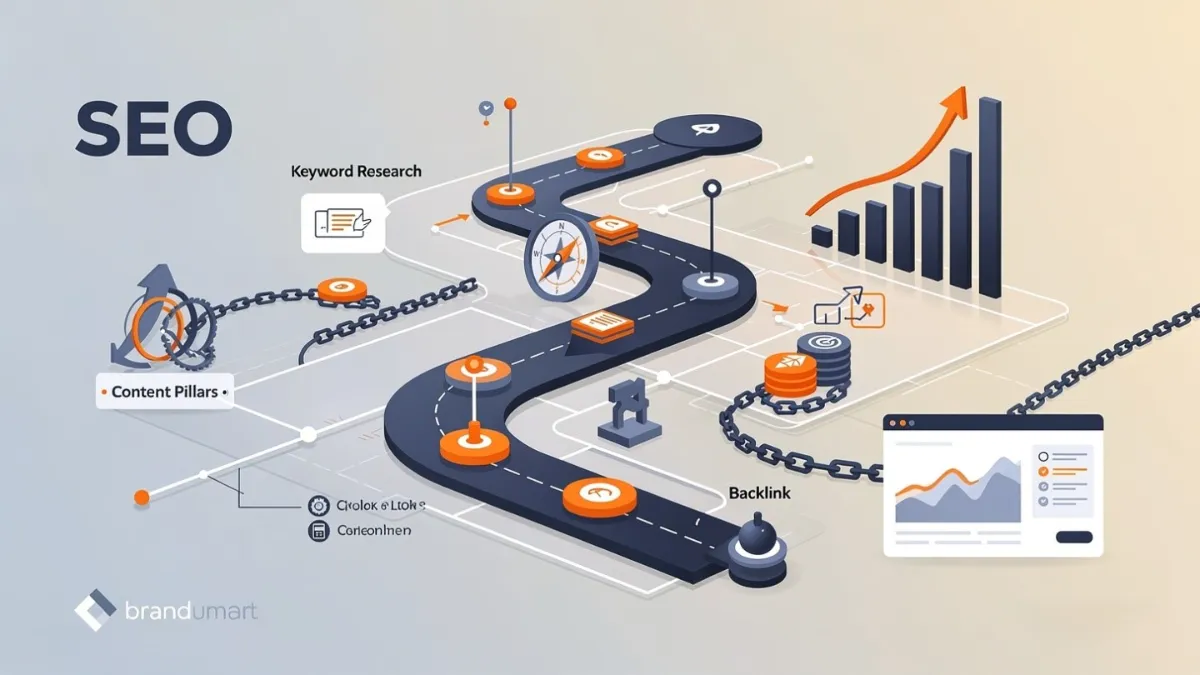
- The Five Pillars of a Complete SEO Analysis
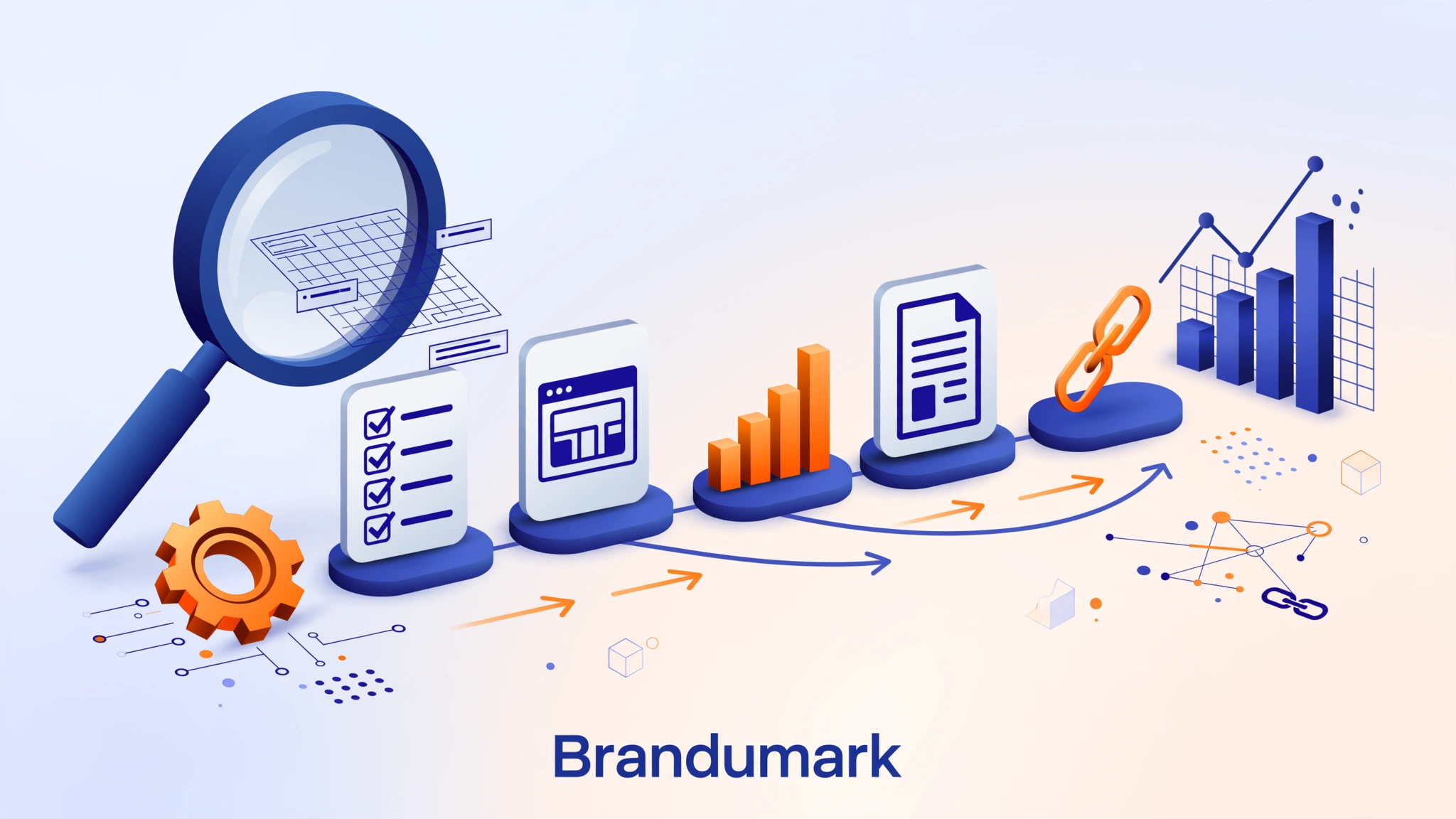
- How to Run an SEO Website Analysis Step by Step
- Best SEO Analysis Tools for 2026
- How to Read and Prioritise Your Audit Results
- Common SEO Analysis Mistakes to Avoid
- How Often Should You Run an SEO Analysis
- Frequently Asked Questions
What Is SEO Analysis and Why It Matters
SEO analysis is the process of evaluating every factor that affects how well your website ranks in organic search. It covers technical infrastructure, content quality, keyword alignment, backlink authority, user experience signals, and competitive positioning — all examined together to give you a complete picture of your current search performance and what is limiting it.
Think of it as a full health check for your website. A doctor does not diagnose a patient by looking at one symptom in isolation. They run tests, review multiple systems, and look at how everything interacts. SEO analysis works the same way. A slow page speed matters more if your competitors are fast. Thin content matters more if you are targeting competitive keywords. Weak backlinks matter more if your on-page SEO is already strong. The analysis shows you the whole picture at once.
What a Thorough SEO Analysis Tells You
- Which pages Google can and cannot crawl and index on your site
- Whether your keyword targeting matches what your audience actually searches for
- How your backlink profile compares to the sites outranking you
- Which technical errors are actively suppressing your rankings right now
- Where your content is thin, duplicated, or missing entirely
- How your site speed and Core Web Vitals stack up against competitors
- Which competitor pages you are closest to overtaking — and what it would take
Without this information, you are investing in SEO based on assumptions. With it, every decision you make — which content to create, which technical issue to fix first, where to focus link building — is grounded in actual data about your specific site in your specific competitive landscape.
Understanding why SEO matters for your business is the right starting point before diving into the analysis process. The clearer your understanding of the stakes, the more valuable the analysis becomes.
SEO Analysis vs Website Audit: What Is the Difference
These two terms get used interchangeably, but they are not the same thing. Understanding the distinction helps you know exactly what you are looking at when you run a report.
| Aspect | SEO Analysis | Website Audit |
|---|---|---|
| Scope | Full picture — technical, content, backlinks, keywords, competitors | Technical and on-page factors only |
| Focus | Strategic — why you rank where you do and what to change | Diagnostic — what errors exist on your site right now |
| Output | Strategic roadmap with prioritised recommendations | Error report categorised by type and severity |
| Tools used | Multiple — audit tools, rank trackers, keyword tools, competitor tools | Crawl-based audit tool (Screaming Frog, Semrush, Ahrefs) |
| Frequency | Quarterly or when strategy changes | Monthly — continuous monitoring |
| Who runs it | SEO strategist or agency | Technical SEO or webmaster |
A website audit is one component of a full SEO analysis. When most people say they want an “SEO audit,” they often mean a full analysis. This guide covers both — the technical audit process and the broader strategic analysis that puts audit findings in context.
The Five Pillars of a Complete SEO Analysis
A proper SEO analysis evaluates five distinct areas. Each one affects your rankings differently and requires different tools and expertise to assess correctly. Miss any one of them and you have an incomplete picture.
Pillar 1: Technical SEO
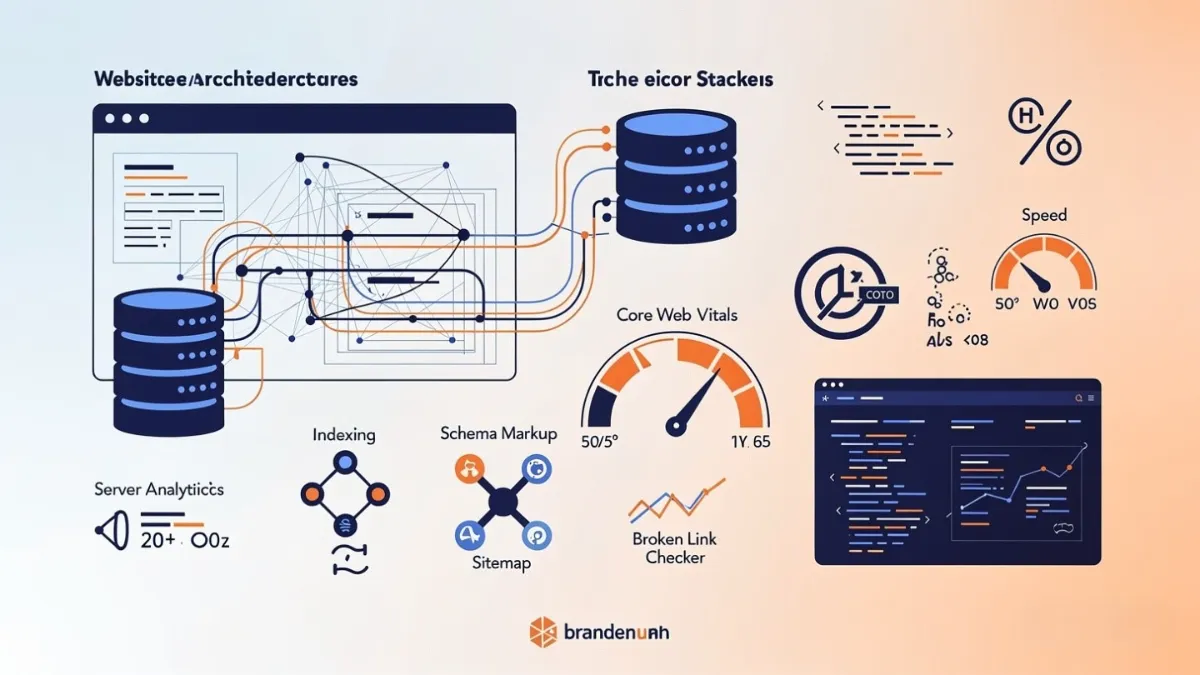
Technical SEO is the foundation. If search engines cannot crawl your pages, index your content, or render your site correctly, nothing else matters. Technical analysis covers every factor that affects how search engine bots interact with your website.
- Crawlability — are your important pages accessible to Google’s crawler, or are they blocked by robots.txt, noindex tags, or JavaScript rendering issues
- Indexation — which pages are in Google’s index, which are excluded, and whether the right pages are being indexed
- Site speed and Core Web Vitals — Largest Contentful Paint, Cumulative Layout Shift, and Interaction to Next Paint scores across desktop and mobile
- HTTPS and security — secure site implementation with no mixed content warnings
- Structured data — schema markup validity and rich result eligibility
- XML sitemap — correctly formatted, submitted to Search Console, and free of errors
- Mobile usability — full mobile-first rendering with no usability errors
Pillar 2: On-Page SEO
On-page analysis evaluates how well each page communicates its topic to search engines and how well it matches the search intent of the queries it targets. This is where keyword strategy meets content execution.
- Title tags — unique, include the target keyword, under 60 characters
- Meta descriptions — compelling, accurate, under 160 characters
- Heading structure — logical H1 through H6 hierarchy on every page
- Keyword placement — target keyword in H1, first paragraph, subheadings, and body copy naturally
- Content depth — does the page answer the query as completely as the top-ranking pages do
- Internal linking — does the page link to and receive links from related content on the site
- Image optimisation — descriptive alt text, compressed file sizes, next-gen formats
Pillar 3: Content Analysis
Content analysis looks at your site’s content library as a whole, not just page by page. It identifies thin pages that provide little value, duplicate content that confuses indexation, content gaps where your audience has questions you have not answered, and keyword cannibalisation where multiple pages compete for the same query.
Pillar 4: Backlink Profile Analysis
Your backlink profile is one of the strongest ranking signals Google uses. Analysis here covers the total number of referring domains, the authority of those domains, the relevance of linking pages to your content, the anchor text distribution across your link profile, and whether any toxic or spammy links are dragging down your domain authority.
The most important metric is not raw link count — it is the quality and relevance of the sites linking to you. Ten links from high-authority, relevant industry sites outperform five hundred links from low-quality directories every time.
Pillar 5: Competitor Analysis
You do not rank in a vacuum. Every keyword you target is a competition. Competitor analysis within an SEO review examines which sites outrank yours, what content and backlinks they have that you do not, which keywords they rank for that represent opportunities for you, and where their weaknesses create openings. This intelligence shapes your entire SEO roadmap.
For a detailed breakdown of the tools that power competitor research, the guide to the best SEO optimization tools covers each platform’s competitor analysis capabilities in depth.
How to Run an SEO Website Analysis Step by Step
This is the process that professional SEOs follow when conducting a full site analysis. Each step builds on the one before it.
The Complete SEO Analysis Process
- Connect Google Search Console and Google Analytics 4 — before you touch any third-party tool, make sure first-party data is flowing. Search Console shows you Google’s view of your site. GA4 shows you user behaviour. Both are essential baselines.
- Run a full technical crawl — use Screaming Frog, Semrush Site Audit, or Ahrefs Site Audit to crawl your entire domain. Record your site health score as your starting benchmark.
- Audit indexation via Search Console — check the Coverage report for excluded pages, crawl errors, and pages with warnings. Compare which pages Google has indexed against which pages you want indexed.
- Assess Core Web Vitals — use Google’s PageSpeed Insights and the Core Web Vitals report in Search Console to identify poor-performing pages by device type.
- Audit on-page elements — review title tags, meta descriptions, H1 tags, and content length across your top pages. Flag duplicates, missing elements, and keyword misalignment.
- Analyse your keyword rankings — pull your current ranking positions for target keywords. Identify keywords sitting in positions 5 through 15 — these are your quickest wins with focused optimisation.
- Analyse your backlink profile — use Ahrefs or Semrush to review your referring domains, domain authority trend, and anchor text distribution. Flag any toxic links for disavow consideration.
- Run a content audit — identify thin pages (under 300 words with low traffic), duplicate content, and keyword cannibalisation across your content library.
- Conduct competitor gap analysis — identify three to five direct competitors, pull their top-ranking keywords, and map which ones represent realistic opportunities for your domain.
- Prioritise and build your action plan — sort all findings by impact and effort. Critical technical errors first. Quick on-page wins second. Content and link building strategy third.
Best SEO Analysis Tools for 2026
No single tool covers every component of a full SEO analysis. The most effective approach combines tools that each do one part exceptionally well. Here is the complete toolkit.
For Technical Auditing
| Tool | Strength | Best For | Price |
|---|---|---|---|
| Screaming Frog | Deepest raw crawl data available | Technical SEOs, developers | Free (500 URLs) / ~$235/yr |
| Semrush Site Audit | 130+ checks, clean dashboard, scheduled crawls | All-in-one SEO users | From ~$117/mo |
| Ahrefs Site Audit | JS rendering, visual site maps | Agencies, large sites | Free (verified) / ~$99/mo |
| Google Search Console | Direct Google indexation data | Every website, no exceptions | Free |
| Sitebulb | Visual reports, client-ready output | Consultants and agencies | From ~$13.50/mo |
For Keyword and Ranking Analysis
| Tool | Strength | Best For | Price |
|---|---|---|---|
| Semrush | Keyword gap, position tracking, intent data | Full-spectrum keyword strategy | From ~$117/mo |
| Ahrefs Keywords Explorer | Traffic potential, SERP analysis | Keyword research depth | From ~$99/mo |
| Google Keyword Planner | Direct Google search volume data | Free keyword research baseline | Free |
| SE Ranking | Affordable rank tracking, daily updates | Small businesses and startups | From ~$44/mo |
For Backlink Analysis
| Tool | Strength | Best For | Price |
|---|---|---|---|
| Ahrefs | Largest, most frequently updated backlink index | Deep link profile analysis | From ~$99/mo |
| Semrush Backlink Analytics | Toxic score, lost link alerts, outreach tools | Link building and profile management | From ~$117/mo |
| Moz Link Explorer | Domain Authority metric, spam score | Beginners and link prospecting | Free limited / ~$79/mo |
For a complete evaluation of how these platforms compare across all their features, the full search engine optimization tools guide covers every major platform in detail.
How to Read and Prioritise Your Audit Results
The most common outcome of a first SEO audit is paralysis. The tool returns hundreds of issues across dozens of categories and it is not obvious where to start. This framework cuts through that confusion.
The Priority Matrix: Four Quadrants
| Quadrant | High Impact + Easy Fix | High Impact + Hard Fix | Low Impact + Easy Fix | Low Impact + Hard Fix |
|---|---|---|---|---|
| Action | Fix immediately — these are your biggest wins | Plan and schedule — important but needs resource | Batch fix when time allows | Deprioritise or ignore |
| Examples | Missing title tags, broken internal links, noindex on key pages | Site speed, Core Web Vitals, JavaScript rendering issues | Image alt text, minor meta description updates | Complex redirect restructuring on low-traffic pages |
Error Severity: What the Labels Actually Mean
- Errors (critical) — actively blocking rankings or indexation. Fix these first, always. Examples: pages returning 5xx errors, important pages blocked by robots.txt, canonical tags pointing to the wrong URL.
- Warnings (moderate) — suboptimal implementation that reduces ranking potential. Fix these after errors are resolved. Examples: slow page speed, duplicate meta descriptions, thin content on category pages.
- Notices (minor) — best practice improvements with limited ranking impact. Batch these into scheduled maintenance. Examples: missing alt text on decorative images, low word count on pages intentionally short.
Connecting Audit Findings to Business Impact
Not every page deserves equal attention. When prioritising fixes, weight your effort by the commercial value of the page. A broken internal link on your highest-converting service page is far more urgent than the same error on a blog post from three years ago with 12 monthly visitors.
Pull your traffic and conversion data from GA4 alongside your audit findings. Fix the pages driving revenue first. Then work systematically through the rest.
Common SEO Analysis Mistakes to Avoid
Even experienced marketers make these errors when conducting or acting on SEO analyses. Knowing them in advance saves significant time and prevents misallocated effort.
- Running one audit and never following up. SEO analysis is not a one-time event. Sites change. Algorithms update. New content introduces new errors. Without scheduled re-audits, issues compound silently over weeks and months.
- Fixing warnings before errors. Always resolve critical errors first. Fixing 50 minor meta description issues before addressing a misconfigured noindex tag is like painting the walls before fixing a structural crack.
- Over-relying on a single tool. Every tool has blind spots. Screaming Frog misses some JavaScript-rendered content. Semrush crawls at a different depth than Ahrefs. Cross-referencing two tools catches more of what matters.
- Ignoring competitor context. An audit without competitor benchmarking tells you what is wrong but not how wrong relative to the sites you are competing against. A slow site that is still faster than every competitor in your niche is a much lower priority than a slow site in a niche where everyone else scores 95 on PageSpeed.
- Treating all traffic equally. Prioritise fixes based on commercial page value, not just traffic volume. High-traffic blog posts with zero conversions warrant less urgent attention than low-traffic service pages where every visitor is a potential lead.
- Not recording a baseline before fixing. If you do not screenshot or export your site health score, ranking positions, and traffic numbers before starting fixes, you cannot demonstrate the impact of your work. Always record your before state.
How Often Should You Run an SEO Analysis
The right frequency depends on how actively your site changes and how competitive your market is. Here is a practical schedule for most businesses.
| Analysis Type | Recommended Frequency | What to Check |
|---|---|---|
| Automated technical crawl | Weekly or monthly | New errors, broken links, crawl issues from recent changes |
| Rank tracking review | Weekly | Position changes, algorithm impact, competitor movements |
| Full on-page audit | Monthly | Meta tags, heading structure, content depth, internal links |
| Backlink profile review | Monthly | New links gained, links lost, toxic link detection |
| Full strategic SEO analysis | Quarterly | All five pillars, competitor benchmarking, roadmap update |
| Post-algorithm update audit | Immediately when confirmed | Ranking changes, impacted page patterns, recovery actions |
For businesses working with an agency or consultant, most professional SEO optimization services include monthly technical monitoring and quarterly strategic reviews as standard deliverables. If yours does not, ask why.
Turning Your SEO Analysis Into a Ranking Improvement Plan
An audit report is only as valuable as the actions it produces. This is where most SEO analysis projects fail — the report gets delivered, everyone agrees it is thorough, and then it sits in a folder while the same problems continue suppressing rankings for another six months.
A useful analysis output has three parts: a prioritised fix list, a content strategy informed by keyword and gap analysis, and a link building target list built from competitor backlink research. Each part feeds directly into executable tasks with owners, deadlines, and measurable outcomes.
What an Actionable SEO Analysis Output Looks Like
- Fix list by priority tier — critical errors this week, warnings this month, notices next quarter
- Content gap list — specific topics and target keywords not currently covered on your site
- Page optimisation list — existing pages in positions 5–15 that need targeted on-page improvement
- Link building target list — sites linking to competitors that represent realistic outreach opportunities
- Baseline metrics recorded — site health score, ranking positions, organic traffic, and domain authority before any changes begin
Understanding how SEO and digital marketing work together is important context here. A great analysis feeds not just your technical fixes but your broader marketing strategy — content calendar, paid search targeting, and conversion rate optimisation all benefit from the same data your SEO analysis surfaces.
For businesses in specific sectors, the analysis process takes on additional dimensions. If you are running e-commerce SEO, for example, product page analysis and faceted navigation crawl management require specialist treatment beyond what a standard site audit covers.
Conclusion: SEO Analysis Is the Foundation, Not the Finish Line
Every strong SEO strategy starts with an honest analysis of where your site currently stands. Not where you hope it stands. Not where it used to stand. Where it stands right now — technically, competitively, and in the eyes of Google’s crawlers.
The businesses consistently winning in organic search are not the ones with the biggest content budgets or the most aggressive link building campaigns. They are the ones who understand their site deeply, audit it regularly, prioritise fixes based on actual impact, and treat SEO analysis as an ongoing practice rather than a one-time project.
Start with the free tools. Connect Google Search Console. Run your first crawl. Record your baseline. Fix the critical errors. Then build from there — systematically, consistently, and always guided by what the data actually shows rather than what you assume it will.
Ready to go deeper on specific components? The complete guide to SEO tools for small businesses covers every platform category in detail, or explore the full breakdown of SEO strategies for ranking improvement to build your roadmap once your analysis is complete.
Frequently Asked Questions
What is an SEO analysis?
An SEO analysis is a comprehensive evaluation of every factor affecting your website’s search engine rankings. It covers technical health, on-page optimisation, content quality, backlink profile, keyword positioning, and competitor benchmarking. The output is a prioritised action plan showing exactly what to fix and in what order to improve organic search performance.
What is the difference between an SEO analysis and a website audit?
A website audit is the technical component of a broader SEO analysis. An audit crawls your site to surface technical errors — broken links, crawl issues, slow pages, duplicate content. A full SEO analysis includes the audit plus keyword research, backlink review, content gap analysis, and competitor benchmarking. The audit tells you what is broken; the analysis tells you why you rank where you do and what your complete strategy should be.
Which SEO analysis tools are best for small businesses?
Start with Google Search Console and Google Analytics 4 — both are free and provide first-party data directly from Google. For a deeper crawl, Screaming Frog’s free version handles up to 500 URLs. For paid all-in-one analysis, Semrush and SE Ranking offer the strongest value for small business budgets. Ahrefs Webmaster Tools provides free backlink and technical audit access for verified site owners.
How long does an SEO analysis take?
A thorough SEO analysis on a small to medium site (50 to 200 pages) typically takes 4 to 8 hours when conducted properly by an experienced SEO. Larger sites with hundreds or thousands of pages can take several days. Automated audit tools run the crawl in minutes but interpreting the results, cross-referencing with competitor data, and building a prioritised action plan takes significantly longer than the crawl itself.
How often should I run an SEO analysis?
Run automated technical crawls monthly and review rank tracking weekly. Conduct a full strategic SEO analysis — covering all five pillars — every quarter. Always run an immediate full crawl after any significant site change such as a redesign, CMS migration, hosting change, or major content restructure. These events introduce errors more frequently than any other activity.
Can I run an SEO analysis for free?
Yes. Google Search Console provides indexation, coverage, and performance data at no cost. Screaming Frog crawls up to 500 URLs for free. Ahrefs Webmaster Tools offers free site auditing and backlink data for verified domains. Google PageSpeed Insights assesses Core Web Vitals at no charge. Together these free tools provide enough data to conduct a credible first SEO analysis on any small business site without spending anything.
What should I fix first after an SEO audit?
Always fix critical errors before warnings and warnings before notices. Within critical errors, prioritise issues affecting your highest-value pages first — the service pages, product pages, and landing pages that drive the most revenue or leads. Common first fixes include pages accidentally blocked from indexation, broken internal links on key pages, missing or duplicate title tags, and severe page speed issues on mobile.
What is keyword cannibalisation and why does my audit flag it?
Keyword cannibalisation happens when multiple pages on your site target the same keyword, causing them to compete against each other in search results instead of reinforcing each other. Google struggles to decide which page to rank and often shows neither one as prominently as a single consolidated page would appear. Audit tools flag it because it is one of the most common and easily fixed issues that directly improves rankings — typically resolved by consolidating the competing pages or clearly differentiating their keyword targets.