Let’s be honest. Most websites that struggle with SEO are not failing because of a lack of effort. They are failing because they are making decisions without the right data. They are writing content nobody searches for, targeting keywords they cannot realistically rank for, and missing technical errors that quietly kill their rankings every single day.
SEO marketing tools change that equation completely. They replace assumptions with evidence. They tell you exactly what your audience is searching for, what your competitors are doing better than you, where your website is broken, and what it will take to outrank the pages sitting above yours.
In this guide, you will get a complete breakdown of the most important categories of SEO tools, what each type actually does, which tools are worth your attention in 2026, and how to build a tool stack that matches your goals and budget. Whether you are a solo blogger, a small business owner, or a marketing team managing multiple sites — this guide is written for you.
If you are just getting started, it helps to understand what search optimization is and how it actually works before diving into tools. That foundation makes everything in this guide land more clearly.
Why SEO Marketing Tools Are No Longer Optional
A few years ago, you could publish well-written content, sprinkle in some keywords, and watch traffic grow. That era is over. Search engine algorithms now evaluate hundreds of ranking signals simultaneously. Your competition is more sophisticated. And user expectations around content quality, page speed, and mobile experience are higher than ever.
Trying to manage modern SEO manually is like trying to navigate a city with no map while everyone else is using GPS. You might eventually get somewhere. But you will waste enormous time, miss faster routes, and make avoidable wrong turns along the way.
What SEO Marketing Tools Actually Do for You
- Replace guesswork with keyword data and search volume metrics
- Surface technical errors that silently suppress your rankings
- Reveal exactly what your top competitors rank for and why
- Track your keyword positions daily so you spot changes fast
- Identify backlink opportunities you would never find manually
- Show you content gaps your audience needs but your site does not cover
The businesses winning in organic search right now are not necessarily the ones with the biggest budgets. They are the ones using search engine optimization tools intelligently and consistently. That is a gap you can close starting today.
The 7 Core Categories of SEO Marketing Tools
Not all SEO tools do the same thing. Understanding the main categories helps you build a stack that covers every part of your strategy without paying for overlap you do not need.
1. Keyword Research Tools
Keyword research is where every SEO strategy begins. These tools show you what your target audience types into Google, how many people search for it each month, how competitive those searches are, and what related terms you might be missing entirely.
What Good Keyword Research Tools Let You Do
- Discover high-value keywords your competitors are already ranking for
- Filter by search volume, keyword difficulty, and user intent
- Find long-tail keywords with lower competition and high buying intent
- Group keywords by topic clusters for organised content planning
- Identify seasonal trends that affect when you should publish
Top tools in this category: Ahrefs Keywords Explorer, SEMrush Keyword Magic Tool, Google Keyword Planner, Ubersuggest, Moz Keyword Explorer.
2. Technical SEO Audit Tools
Your content can be excellent, your backlinks strong, and your keyword targeting perfect — and you can still rank poorly if your website has technical problems Google cannot see past. Technical audit tools crawl your site the way a search engine does and flag every issue that is holding you back.
Common Technical Issues These Tools Surface
- Broken links and redirect chains that waste crawl budget
- Missing or duplicate meta titles and descriptions
- Slow page load speeds that hurt both rankings and user experience
- Pages blocked from indexing by robots.txt or noindex tags
- Mobile usability errors that affect your Core Web Vitals scores
- Duplicate content issues that confuse search engine crawlers
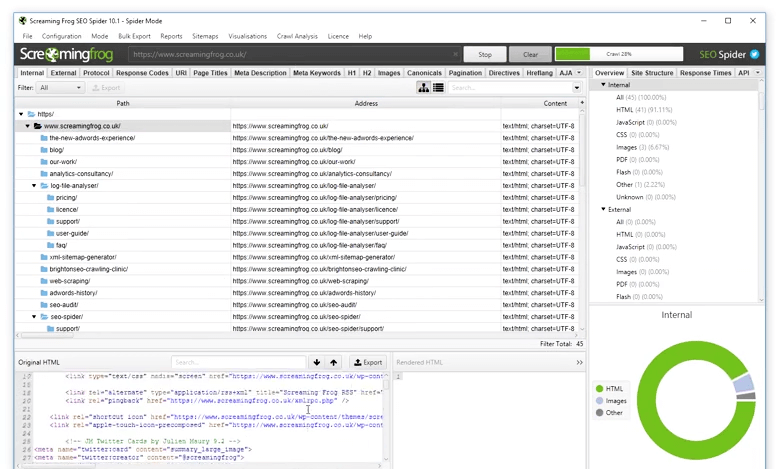
Top tools in this category: Screaming Frog SEO Spider, Google Search Console, Sitebulb, Ahrefs Site Audit, SEMrush Site Audit.
3. Rank Tracking Tools
Knowing where you rank today — and whether that is moving up or down over time — is the heartbeat of any SEO campaign. Rank tracking tools monitor your keyword positions automatically, so you do not have to manually search and screenshot every week.
What Rank Tracking Tools Tell You
- Your current position for every tracked keyword, updated daily or weekly
- Position changes after you publish new content or make site updates
- Competitor ranking positions for the same keywords you are targeting
- SERP feature visibility — whether you appear in featured snippets, local packs, or People Also Ask boxes
- Historical ranking trends that show the impact of algorithm updates
Top tools in this category: SERPWatcher, AccuRanker, Ahrefs Rank Tracker, SEMrush Position Tracking, Google Search Console (for free position data).
4. Competitor Analysis Tools
Your competitors have already done a huge amount of SEO work. They have tested keywords, built content, and earned backlinks. The right SEO marketing tools let you reverse-engineer exactly what is working for them and use that intelligence to inform your own strategy.
What You Can Extract from Competitor Analysis
- Every keyword a competitor ranks for that you currently do not
- Their top-performing pages and the traffic each one generates
- Where their backlinks come from and how to earn links from the same sources
- Content gaps — topics their audience searches for that neither of you covers well yet
- Paid vs organic strategy differences that reveal their business priorities
Top tools in this category: Ahrefs Site Explorer, SEMrush Competitive Research, SpyFu, SimilarWeb, Moz Link Explorer.
5. On-Page SEO and Content Optimisation Tools
Writing great content is not enough on its own. On-page SEO tools analyse your content against what is already ranking and tell you specifically what to add, adjust, or improve to be more competitive for your target keyword.
What On-Page Optimisation Tools Evaluate
- Keyword usage in your title, headings, and body copy
- Content length and depth compared to top-ranking pages
- Semantic keywords and related terms you should include
- Internal linking structure and anchor text distribution
- Readability scores and content structure quality
- Image alt text, schema markup, and meta tag optimisation
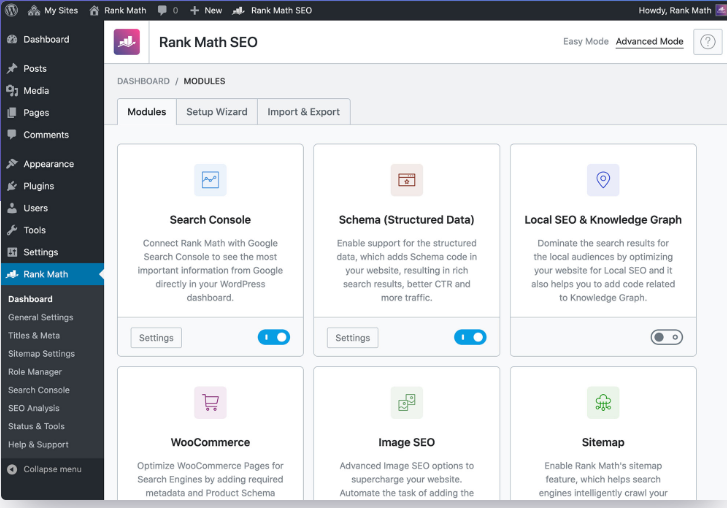
Top tools in this category: Surfer SEO, Clearscope, MarketMuse, Yoast SEO (WordPress), RankMath.
6. Backlink Analysis and Link Building Tools
Backlinks remain one of the most powerful ranking signals in Google’s algorithm. Every quality link from another website tells Google your content is trustworthy and worth ranking. Backlink tools help you find link opportunities, monitor who is linking to you, and identify toxic links that may be hurting your authority.
How Backlink Tools Support Your Strategy
- Show your complete backlink profile — who links to you and how authoritative they are
- Identify competitors’ backlinks so you can pitch the same sources
- Alert you when you gain or lose important backlinks
- Flag spammy or toxic links you may want to disavow
- Find unlinked brand mentions you can convert into actual links
Top tools in this category: Ahrefs Backlink Checker, Moz Link Explorer, Majestic SEO, SEMrush Backlink Analytics, Google Search Console (Links report).
7. Local SEO Tools
If your business serves a specific geographic area — a city, a region, or a neighbourhood — local SEO tools are essential. They help you optimise your Google Business Profile, manage your local citations, monitor your local rankings, and ensure your business information is consistent across every directory that matters.
What Local SEO Tools Help You Manage
- Google Business Profile optimisation and post scheduling
- Local citation consistency across Yelp, Apple Maps, Bing Places, and directories
- Local keyword rankings by city, postcode, or neighbourhood
- Review monitoring and response management across platforms
- Local competitor analysis and map pack ranking tracking
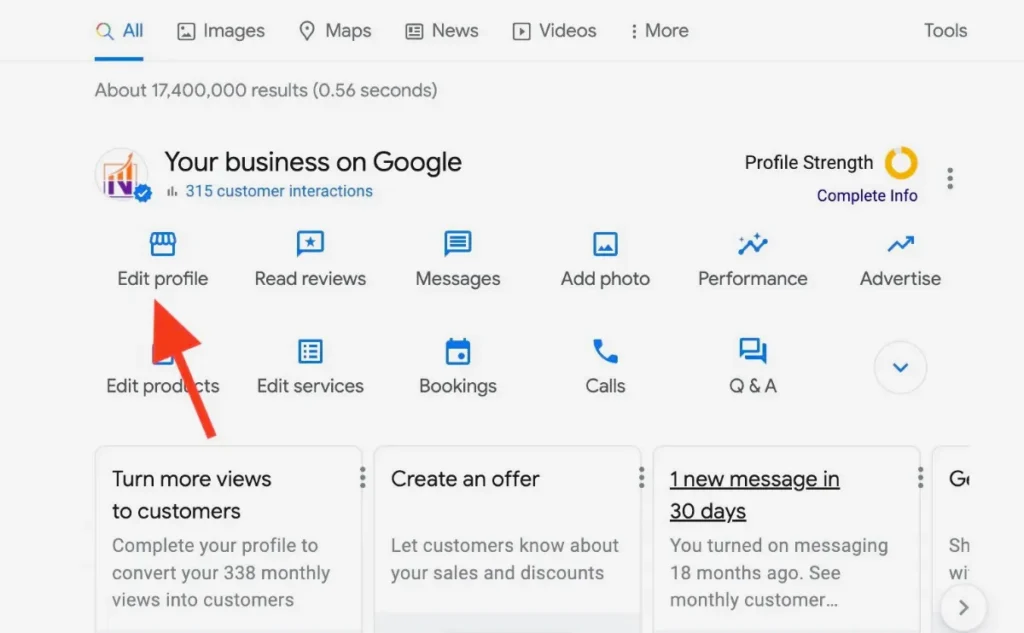
Top tools in this category: BrightLocal, Whitespark, Moz Local, Google Business Profile Manager, Yext.
Top SEO Marketing Tools Compared: 2026 Overview
With dozens of tools competing for your budget, it helps to see the leading platforms side by side. Here is how the top all-in-one and specialist SEO tools stack up across the most important use cases:
| Tool | Best For | Key Strengths | Starting Price | Free Option |
|---|---|---|---|---|
| Ahrefs | Backlinks + Competitor Research | Best backlink database, excellent Site Explorer | ~$99/mo | Free Webmaster Tools |
| SEMrush | All-in-One SEO + PPC | Widest feature set, strong competitor data | ~$117/mo | Limited free account |
| Moz Pro | Beginners + Local SEO | Easy to use, Domain Authority metric | ~$79/mo | 30-day free trial |
| Surfer SEO | Content Optimisation | Real-time on-page scoring, NLP integration | ~$79/mo | No |
| Google Search Console | Technical Monitoring | Direct data from Google, 100% free | Free | Yes — fully free |
| Screaming Frog | Technical Auditing | Deep crawl data, highly customisable | ~$235/yr | Free up to 500 URLs |
| BrightLocal | Local SEO | Best local rank tracking + citation tools | ~$39/mo | 14-day free trial |
| Ubersuggest | Budget-Friendly All-in-One | Affordable, good for beginners | ~$29/mo | Limited free use |
How to Build Your SEO Tool Stack (Without Overspending)
You do not need every tool on the market. You need the right combination for your goals, your budget, and your team’s capacity to actually use what you pay for. Here is a practical framework for building your stack at three different levels.
Starter Stack (Free to ~$50/month)
This stack is ideal for individual bloggers, early-stage startups, and small businesses testing SEO for the first time.
- Google Search Console — free technical monitoring and search performance data
- Google Analytics 4 — free traffic and user behaviour analytics
- Ubersuggest or Google Keyword Planner — affordable keyword research
- Screaming Frog (free version) — technical auditing up to 500 URLs
- RankMath or Yoast (free) — on-page SEO optimisation inside WordPress
Growth Stack (~$100 to $200/month)
This stack suits growing businesses, content marketing teams, and agencies managing multiple clients.
- Ahrefs or SEMrush — competitor research, backlink analysis, and rank tracking in one platform
- Surfer SEO — content optimisation for every page you publish
- Google Search Console + GA4 — always essential, always free
- Screaming Frog (paid) — unlimited crawl depth for larger sites
Advanced Stack ($300+/month)
For established businesses, enterprise SEO teams, and digital agencies running complex multi-site strategies.
- SEMrush or Ahrefs at higher tiers — extended limits, team seats, and API access
- Clearscope or MarketMuse — advanced semantic content optimisation
- BrightLocal — local SEO management across multiple locations
- Sitebulb — advanced technical auditing with visual crawl maps
- AI-powered SEO tools — for content at scale, topical authority mapping, and predictive analysis
SEO Optimization Tools and AI: Where Things Are Heading in 2026
Artificial intelligence is reshaping how SEO tools work. The newest generation of AI for SEO platforms do not just report data — they interpret it, suggest actions, and in some cases execute tasks automatically. This is changing how fast marketers can move and how much leverage a small team can have against much larger competitors.
How AI Is Enhancing SEO Marketing Tools Right Now
- Automated content briefs generated from SERP analysis in seconds
- Predictive keyword opportunity scoring based on your current domain authority
- Automated internal linking suggestions as you write
- Natural language processing to match content against search intent more accurately
- Algorithm change detection and automated impact alerts
- Competitive content gap analysis at scale across hundreds of pages
Common Mistakes People Make With SEO Marketing Tools
Having access to powerful tools does not automatically produce results. The way you use them matters as much as which ones you choose. These are the most common mistakes that prevent people from getting real value from their SEO tool investment.
- Buying multiple tools and using none well. More tools do not equal better SEO. Depth beats breadth.
- Chasing vanity metrics. A high domain rating means nothing if you are not ranking for the right keywords and converting traffic.
- Ignoring technical audit findings. Tools surface the problems. You still have to fix them.
- Tracking too many keywords. Focus your rank tracking on the keywords directly tied to your business goals.
- Treating tools as a substitute for strategy. Tools provide data. Strategy decides what to do with it.
- Not connecting tools to Google Search Console and GA4. Without this integration, you are missing critical first-party data.
Free vs Paid SEO Marketing Tools: What You Actually Get
The free tools available today are genuinely powerful — especially for getting started. But paid platforms offer data depth, accuracy, and automation that free tools simply cannot match once your site grows or your competition intensifies.
| Capability | Free Tools | Paid Tools |
|---|---|---|
| Keyword research | Basic volume and suggestions | Full difficulty scores, intent data, competitor keyword gaps |
| Technical auditing | Limited crawl depth | Unlimited crawls, prioritised error reports, scheduled audits |
| Rank tracking | Manual checking only | Automated daily tracking across devices and locations |
| Competitor analysis | Very limited | Full competitor traffic, rankings, and backlink profiles |
| Backlink data | Sample data only | Full link profile with authority metrics and new/lost link alerts |
| Content optimisation | Basic keyword checks | Semantic analysis against top-ranking pages in real time |
| Reporting | Manual exports | Automated branded reports, white-label options for agencies |
For most businesses, the right answer is a hybrid approach: use free tools for foundational monitoring and combine them with one paid platform that covers your highest-priority needs. This is how small businesses get the most from SEO tools without overspending.
Frequently Asked Questions About SEO Marketing Tools
How do SEO marketing tools track keyword performance?
SEO marketing tools track keyword performance by regularly querying search engine results pages (SERPs) for your target keywords and recording your page’s position. Most rank tracking tools check positions daily or weekly and store historical data so you can see how rankings change over time. Advanced tools also track rankings by device type (mobile vs desktop), by geographic location, and for specific SERP features like featured snippets and local packs. When integrated with Google Search Console, they can also show you impressions, click-through rates, and the actual search queries driving traffic — giving you a complete picture beyond just position numbers.
Can SEO marketing tools improve website traffic?
SEO marketing tools do not directly generate traffic — but they give you the intelligence to make decisions that do. By identifying the keywords your audience searches for, surfacing content gaps your competitors have not addressed, fixing technical errors that prevent Google from indexing your pages, and helping you earn more quality backlinks, these tools create the conditions for sustained organic traffic growth. The tools provide the data. The improvement in traffic comes from acting on that data consistently and strategically over time.
How do SEO optimization tools assist in SEO campaigns?
SEO optimization tools support campaigns at every stage. In the planning phase, they help you identify target keywords, understand search intent, and map out a content strategy. During execution, they guide on-page optimisation, internal linking, and technical health. In the monitoring phase, they track keyword movements, flag algorithm-related ranking drops, and show which content is performing. For link building, they identify outreach targets and alert you to new and lost backlinks. Across an entire campaign, search engine optimization tools replace manual guesswork with structured, data-driven decision making at every step.
Can search engine optimization tools identify content gaps?
Yes — content gap analysis is one of the most valuable features in modern SEO platforms. Tools like Ahrefs and SEMrush let you enter competitor URLs and instantly see every keyword they rank for that your site does not. This reveals topics your target audience is actively searching for that you have not covered yet. Combined with keyword intent filtering, this data tells you not just what topics to cover, but what format and angle will match what searchers actually want to find.
Are tools for SEO helpful for local SEO optimization?
Absolutely. Specialist local SEO tools like BrightLocal and Whitespark are built specifically for businesses competing in local search. They track your rankings in the Google local map pack (not just standard organic results), audit your citation consistency across directories, monitor customer reviews across multiple platforms, and identify gaps in your local presence compared to competitors. Even general-purpose tools like SEMrush and Ahrefs include local keyword tracking features that help you understand which location-specific searches you are winning and which you are missing. For any business that depends on local customers, these tools are essential rather than optional.
Final Thoughts: Choosing the Right SEO Marketing Tools for Your Goals
The right SEO marketing tools do not make SEO easy. Nothing makes SEO easy. But they make it smarter, faster, and far more predictable than working without data.
Start with the tools that address your most pressing problem right now. If you have no idea what keywords you should be targeting, start with a keyword research tool. If your traffic dropped suddenly and you do not know why, start with a technical audit. If you know what to do but cannot keep up with the content, start with an on-page optimisation tool that helps you work faster and more accurately.
Build your stack deliberately. Use what you have fully before you add more. Review your results every month and let the data guide your next move. That is how businesses turn SEO tool investment into consistent, compounding organic growth.
Ready to take the next step? Explore our guide to the best SEO optimization tools for a detailed breakdown of the top platforms, or learn how AI is changing SEO and what that means for your strategy going forward.