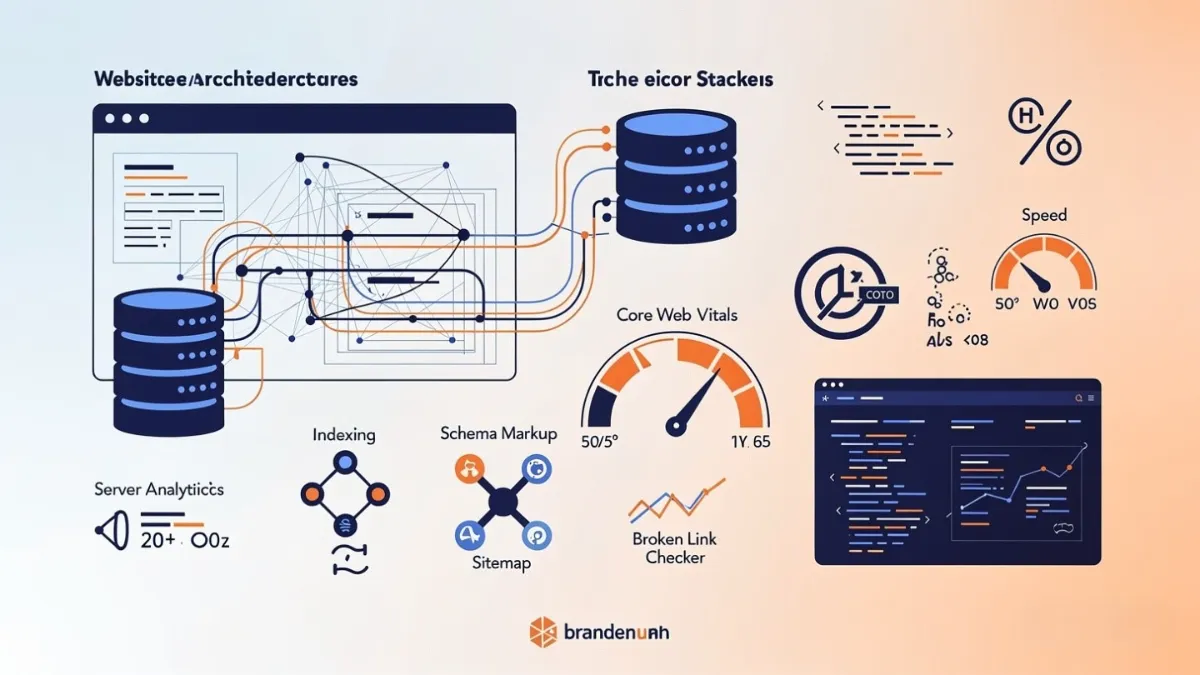
A search engine is a software system that crawls, indexes, and ranks billions of web pages to deliver relevant results when users search for information. In 2026, search engines like Google use advanced AI algorithms to understand search intent, analyze content quality, evaluate user experience, and match queries with the most helpful pages instantly.
A search engine is the digital gateway that connects people with information, products, and services they’re actively seeking online.
Think of search engines as massive digital libraries with instant retrieval systems. When you type “best coffee makers under $100,” the search engine scans billions of pages in milliseconds to show you the most relevant results.
The Three Core Processes
Search engines work through three fundamental steps: crawling, indexing, and ranking.
Crawling happens when search engine bots (called spiders or crawlers) continuously scan the web, discovering new pages and checking for updates on existing ones. Google’s bots crawl trillions of pages constantly, following links from one page to another.
Indexing is where search engines store and organize the information they find. According to Google Search Central, their index contains hundreds of billions of web pages totaling over 100,000,000 gigabytes of data. It’s like creating a massive card catalog for the entire internet.
Ranking determines which pages appear first when someone searches. This is where modern SEO optimization becomes crucial for businesses wanting visibility.
How Search Engines Understand Your Query
- In 2026, search engines use advanced AI to understand user intent, not just exact keywords.
- For example, searching “apple” shows fruit or iPhone results based on location, history, and context.
- Natural language processing enables accurate results for conversational and voice searches like “Where’s the nearest pizza place open now?”
The Ranking Algorithm Evolution
Search engines evaluate over 200 ranking factors when deciding page order. Content quality, relevance, page speed, mobile usability, backlinks, and user experience all matter.
According to Moz’s research, content relevance and quality remain the strongest ranking signals. But technical factors and user engagement signals have grown significantly more important in 2026.
Real-world example: A local bakery client improved their site speed from 8 seconds to 2 seconds. Their rankings jumped from page 3 to page 1 within six weeks, just from that technical improvement. Search engines prioritize sites that load fast and work flawlessly on mobile devices.
AI’s Growing Role
Search engines now use AI-powered systems to evaluate content helpfulness, detect spam, and predict which results will satisfy searchers best. Google’s AI can even generate featured snippet answers directly in search results.
This means businesses need smarter strategies. Professional SEO services help companies adapt to these AI-driven ranking systems effectively.
Why This Matters for Your Business
Understanding how search engines work lets you optimize strategically rather than guess. Whether you’re a law firm, medical practice, or local business, knowing what search engines value helps you get found by people actively looking for your services.
Search engines drive 93% of all website traffic globally. Missing out on search visibility means missing the majority of potential customers. Choosing the right optimization approach can transform your online presence completely.
Related FAQs
How Does a Search Engine Rank Websites?
Search engines rank websites using algorithms that evaluate content quality, relevance to search queries, site speed, mobile usability, and backlinks from authoritative sources. Pages that best satisfy user intent while providing excellent experience rank highest consistently.
Why Is Search Engine Important for Online Visibility?
Search engines are critical because 93% of online experiences begin with a search, making them the primary way customers discover businesses. Without search engine visibility, potential customers simply cannot find you when actively searching for what you offer.
How Do Google Search Engines Differ from Other Platforms?
Google dominates with 92% market share by using the most sophisticated AI algorithms and largest web index. While Bing and others use similar principles, Google’s superior understanding of search intent and content quality makes it significantly more accurate.
What Is the Role of Search Engines Web Today?
Search engines serve as the internet’s primary navigation system, helping billions of people find information, products, and services instantly. They filter massive amounts of content to deliver the most relevant, trustworthy results for every query.
How Does Engine Google Search Process Queries?
Google processes queries by analyzing your search terms, understanding intent using AI, scanning its index for relevant pages, evaluating ranking factors, and delivering results in milliseconds. The system considers location, search history, and device type for personalization.
Master Search Engine Optimization Today
Understanding how search engines work is just the beginning—applying that knowledge strategically transforms your business visibility and growth.
Every day without proper optimization is another day your competitors capture customers who should be finding you instead.
Stop leaving your online success to chance. Start implementing proven strategies that align with how search engines actually work in 2026.
Ready to dominate search results and drive qualified traffic to your business? Contact our SEO experts today for a comprehensive strategy consultation. We’ll analyze your current visibility and create a customized plan that delivers measurable results. Explore our full range of services and learn more about our proven approach.